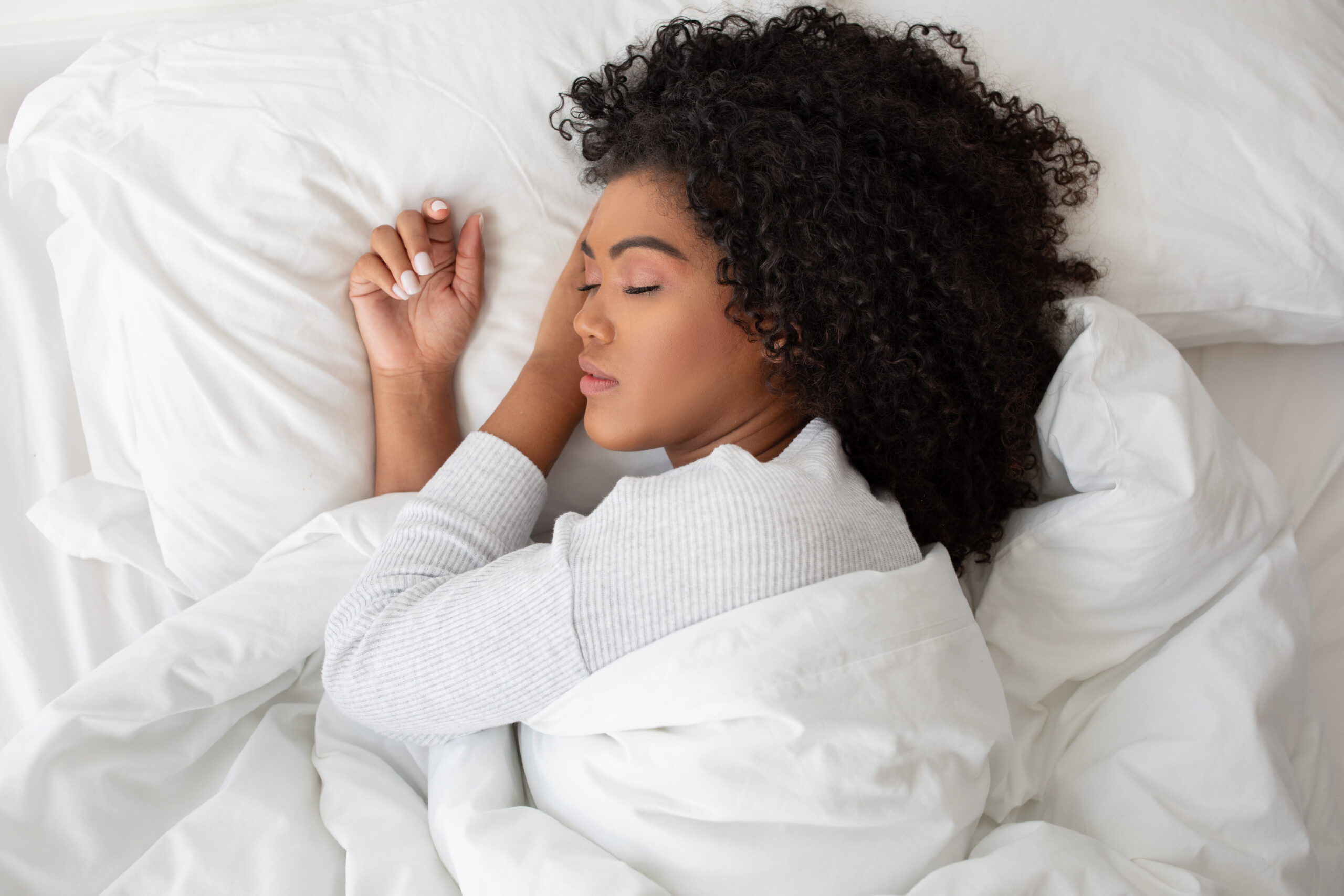
For years, I thought I had to get exactly 8 hours of sleep every night to be healthy. The myth that 8 hours is the golden number is something I followed religiously, believing it was the key to waking up refreshed and energized. But what happened when I finally stopped chasing that elusive 8 hours? My relationship with sleep shifted dramatically – for the better.
What I Realized About Sleep and Rest
I began to realize that sleep isn’t about a set number of hours. It’s about **listening to your body** and understanding its needs. Sometimes, 6 hours of sleep is more rejuvenating than 8 hours. Other nights, I might sleep for 9 hours, but still wake up feeling groggy. What mattered wasn’t the clock – it was the quality of the sleep and how I felt when I woke up.
The Power of Listening to Your Body
Your body knows what it needs. If we’re constantly looking at sleep as a number on a clock, we’re ignoring our body’s true signals. **Sleep isn’t just about quantity**; it’s about finding the right rhythm. By embracing the ebb and flow of my body’s needs, I’ve learned to trust my energy cycles more deeply. When I need rest, I rest – no guilt, no rigid rules. Some days I need more sleep, and other days I feel fine with less.
I’ve also realized how **quality over quantity** can make a significant difference. Deep, restful sleep can be achieved even if you don’t hit the 8-hour mark. **It’s about focusing on sleep hygiene**, creating a relaxing environment, and preparing your body for rest, rather than obsessing over the time spent in bed.
Psychology Today – Is 8 Hours of Sleep a Night Too Much?
One of the **key practices** that helped me break free from the 8-hour rule was learning to listen to my body’s natural rhythms. I began to track how I felt after varying amounts of sleep and noticed patterns. When I started to prioritize **quality over quantity**, I noticed more energy, better mood, and less anxiety around bedtime.
Creating a Sleep Routine That Works for You
Instead of forcing myself to sleep for 8 hours, I began creating a bedtime routine based on how I was feeling that day. Some of the key factors I started focusing on included:
- ✨ **Relaxing before bed:** I introduced calming practices like meditation and gentle yoga stretches to unwind. These activities helped signal to my body that it was time to rest.
- ✨ **Creating a peaceful sleep environment:** I invested in making my bedroom a sanctuary – using calming scents like lavender and keeping the room cool and dark.
- ✨ **Letting go of sleep pressure:** I stopped looking at the clock and worrying about whether I was getting “enough” sleep. Instead, I learned to trust that my body would get the rest it needed.
- ✨ **Mindful eating and drinking:** I noticed that what I ate or drank before bed significantly impacted my sleep. Avoiding heavy meals and caffeine after 6 pm helped me sleep more soundly.
Pro Tip: If you struggle with sleep, start tracking your energy levels and how you feel upon waking up. You might find that listening to your body’s cues can help you optimize your sleep better than chasing a set number of hours each night.
When the Pressure is Gone, Sleep Finds You
Letting go of the obsession with a specific sleep duration has been liberating. By trusting my body, I’ve been able to **relax into sleep** without anxiety. **No more counting the hours**, no more worrying if I’m “getting enough.” Instead, I’ve found a rhythm that works for me – one that allows me to rest deeply, whether that’s 6 hours or 9.
In the end, rest is a personal journey. It’s about understanding and honoring your body’s needs. If you’re stuck in the 8-hour rule, I encourage you to experiment and see how your body responds when you stop forcing sleep and start truly listening to it.