What Exactly is Osteoporosis?
Osteoporosis represents a serious medical condition that significantly diminishes the strength and integrity of your bones, rendering them more susceptible to fractures.
In the United States alone, approximately 8 million women are currently living with osteoporosis, and strikingly, one out of every four women over the age of 65 is affected by this condition.
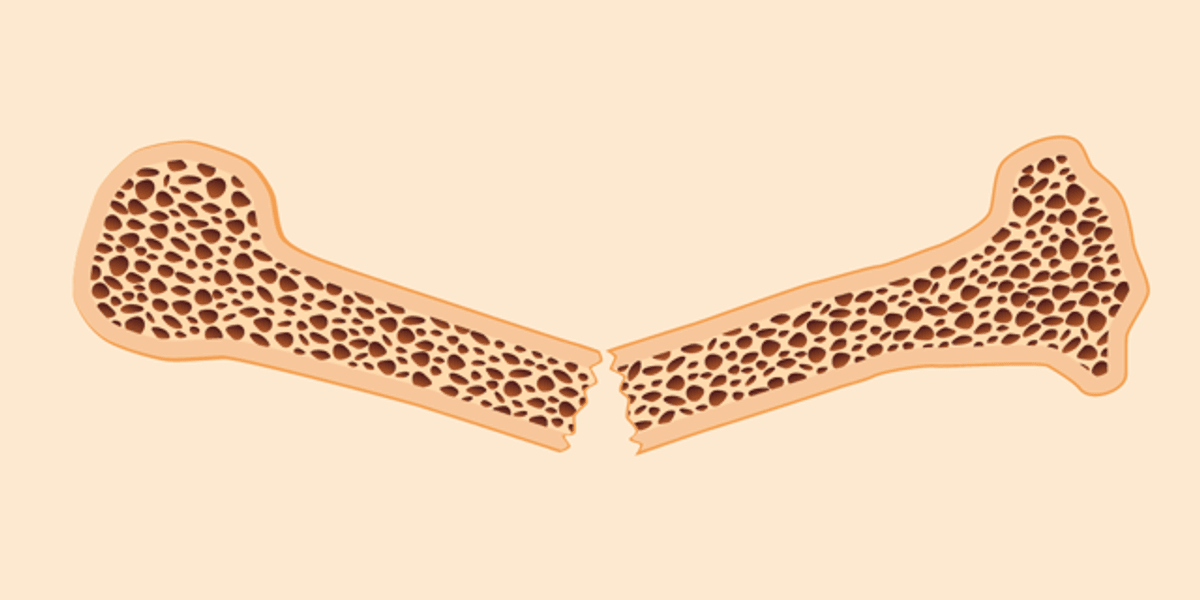
The term “osteo” refers specifically to bone, while “porosis” indicates porosity, so osteoporosis literally translates to “porous bone.” In individuals suffering from this disease, the inherent small cavities within the bone structure enlarge considerably, which compromises the overall density and durability of the bones.
Among various demographic groups, non-Hispanic white women and those of Asian descent face the greatest likelihood of developing osteoporosis.
Osteoporosis: The Silent Thief of Bone Health
This condition is often described as silent because it progresses without noticeable symptoms for many years. Most people remain unaware of their osteoporosis until they experience a fracture from something as routine as a minor tumble. However, it is wise to consult your healthcare provider promptly if you observe changes such as a reduction in your height over time or the emergence of a curved posture in your upper back.
In more advanced stages, the bones become exceedingly brittle, to the point where even a simple slip, a forceful sneeze, or an intense coughing episode could result in a painful break.
Key Risk Factors That Contribute to Osteoporosis Development
Several factors can elevate your chances of developing this bone-weakening disease. These include:
- Declining estrogen levels following menopause
- Advancing age, as bone mass naturally diminishes progressively with the passage of time
- A slender body frame or naturally thin bones
- Family history, particularly if a parent suffered from osteoporosis or experienced a hip fracture
- Dietary shortcomings, such as:
- Inadequate intake of calcium and vitamin D starting from childhood
- Engaging in overly restrictive diets during adulthood
- Long-term use of specific medications, including:
- Corticosteroids
- Antiepileptic medications
- Certain chemotherapy agents for cancer
- Proton pump inhibitors for acid reflux
- Selective serotonin reuptake inhibitors (SSRIs) for mental health
- Thiazolidinediones prescribed for type 2 diabetes management
- Underlying medical conditions like:
- Disruptions in hormone production
- Gastrointestinal disorders
- Rheumatoid arthritis
- Various forms of cancer
- HIV/AIDS
- Anorexia nervosa
- A sedentary lifestyle lacking regular physical activity
- Tobacco smoking
How is Osteoporosis Diagnosed?
Healthcare professionals typically diagnose osteoporosis through a specialized imaging procedure known as a dual-energy X-ray absorptiometry (DEXA) scan, which precisely measures bone mineral density.
Effective Treatment Strategies for Managing Osteoporosis
Although there is currently no complete cure for osteoporosis, a range of treatments exists to effectively slow the rate of bone deterioration and, in some cases, promote an increase in bone density.
Antiresorptive Therapies
These medications work by inhibiting the activity of cells responsible for breaking down bone tissue. They are particularly suitable for individuals with mild to moderate osteoporosis or those identified as being at high risk of developing the condition.
Common Bisphosphonates Include
- Alendronate
- Risedronate
- Zoledronic acid
- Denosumab
Other Antiresorptive Options
- Raloxifene
- Estrogen therapy
Anabolic Therapies
These advanced treatments stimulate the formation of new bone tissue and are recommended for patients with severe osteoporosis, a history of multiple fractures, or those unable to tolerate antiresorptive drugs.
- Teriparatide
- Abaloparatide
- Romosozumab
Additionally, supplementation with vitamin D and calcium plays a crucial supportive role in maintaining bone health alongside these pharmacological interventions.
Lifestyle Modifications to Mitigate Osteoporosis Risk and Bone Loss
Optimizing Your Diet
Prioritizing a nutrient-dense diet abundant in calcium and vitamin D is essential. Excellent food sources encompass:
- Dairy products like milk, yogurt, and cheese
- Plant-based milks fortified with these nutrients
- Nutrient-packed leafy green vegetables
- Oily fish varieties such as salmon and sardines
- Egg yolks
Other Vital Habits
- Quit smoking entirely to protect bone health
- Restrict alcohol consumption to moderate levels
Exercise Regimens
Incorporating targeted physical activities can significantly aid in rebuilding bone density, while balance-focused exercises minimize the chances of falls and subsequent injuries.
- Weight-bearing exercises:
- Brisk walking outdoors or on a treadmill
- Low-impact aerobic routines
- Energetic dancing sessions
- Resistance training:
- Weightlifting with appropriate dumbbells
- Workouts using elastic resistance bands
- Bodyweight squats
- Leg lifts and raises
- Rowing machine exercises
- Balance-enhancing activities:
- Practicing tiptoe stands
- Single-leg standing drills
- Tai chi movements for stability
Practical Steps to Prevent Falls
Reducing the risk of falls is paramount in preventing fractures. Simple home modifications can make a substantial difference:
- Securely fasten area rugs to prevent tripping
- Enhance overall lighting throughout living spaces
- Install sturdy grab bars in bathrooms and along staircases
- Opt for non-slip flooring solutions like rubber mats
- Regularly declutter floors and walkways to eliminate hazards