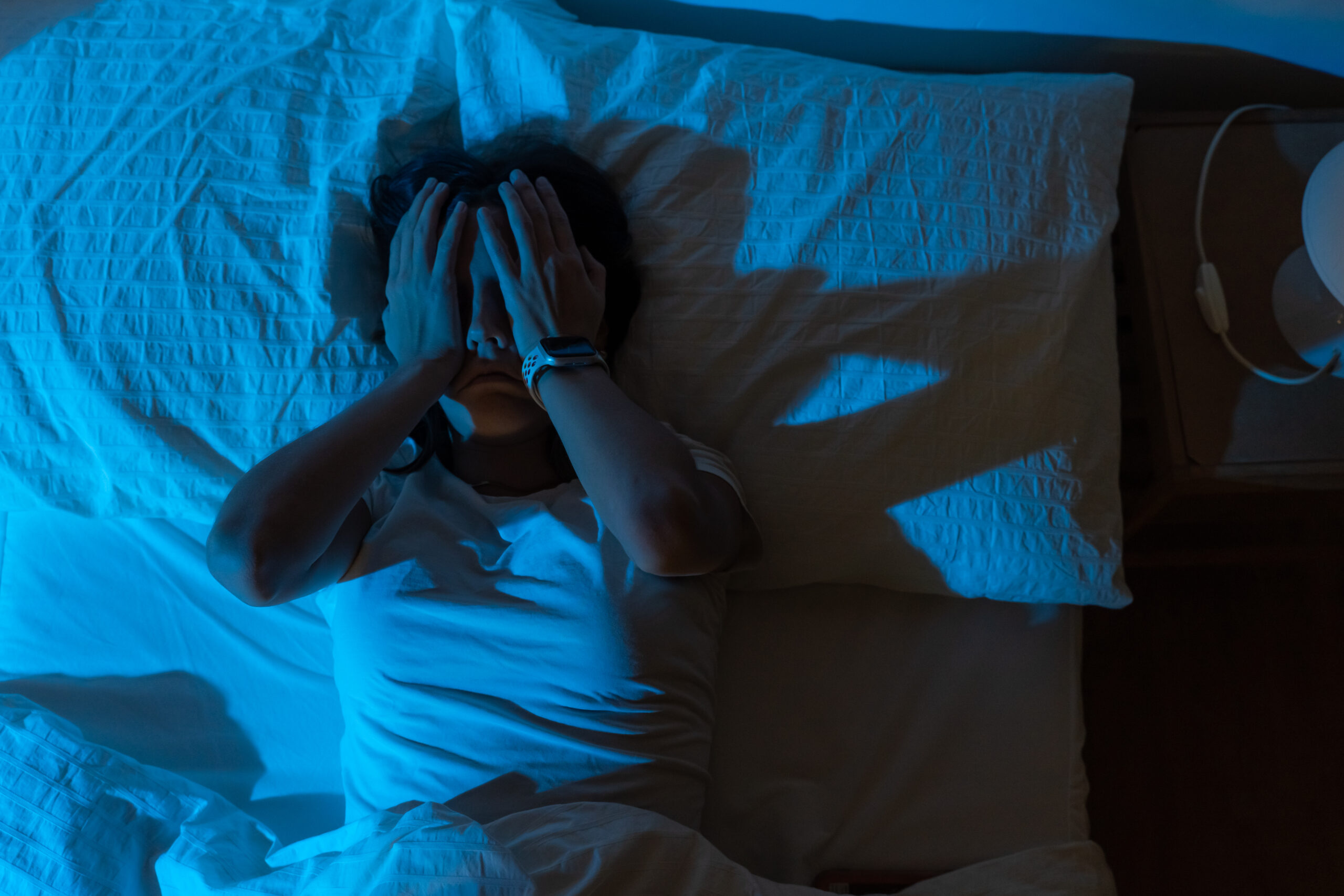
Your eyes are heavy. Your thoughts are slower. And yet something inside you feels… alert.
Sometimes the problem isn’t sleep.
It’s stress hormones that haven’t powered down yet.
Cortisol — often called the “stress hormone” — is meant to rise in the morning and gradually fall at night. That rhythm helps your body know when to be alert and when to repair.
But modern life disrupts that pattern. Late emails. Emotional labor. Overthinking. Constant stimulation. When cortisol stays elevated into the evening, your body struggles to enter deep restorative sleep.
Your body cannot fully repair while it still feels under threat.
If your body stays awake at night, maybe it’s not resisting sleep — maybe it’s waiting to feel safe enough to rest.
You go to bed tired — but your body doesn’t follow.
Your eyes are heavy. Your thoughts are slower. And yet something inside you feels… alert.

Sometimes the problem isn’t sleep.
It’s stress hormones that haven’t powered down yet.
Cortisol — often called the “stress hormone” — is meant to rise in the morning and gradually fall at night. That rhythm helps your body know when to be alert and when to repair.
But modern life disrupts that pattern. Late emails. Emotional labor. Overthinking. Constant stimulation. When cortisol stays elevated into the evening, your body struggles to enter deep restorative sleep.
What’s Supposed to Happen at Night
✔ Cortisol drops
Your body shifts from “doing” to repairing.
✔ Melatonin rises
This hormone signals sleep and recovery.
✔ Cellular repair begins
Muscles, skin, brain tissue — all restore overnight.
Signs Stress Hormones Are Affecting Your Sleep
- Waking between 2–4 a.m. with racing thoughts
- Feeling wired but tired
- Shallow, fragmented sleep
- Morning exhaustion despite “enough” hours
- Jaw tension or clenched muscles at night
Your body cannot fully repair while it still feels under threat.
Research published through institutions like the National Center for Biotechnology Information highlights how chronic stress disrupts circadian rhythms and impacts deep sleep cycles — the phase most responsible for physical recovery.
Why This Matters More for Women
Women’s stress responses are deeply intertwined with hormonal fluctuations. During perimenopause, luteal phase, or periods of emotional overload, cortisol sensitivity increases. That means the same stressor may hit harder — and linger longer.
Add in caregiving roles, invisible labor, and constant responsiveness, and the nervous system rarely feels fully “off.”

Recovery doesn’t begin when you lie down.
It begins when your body feels safe enough to let go.
How to Support Nighttime Cortisol Drop
1. Create a predictable wind-down window
Dim lights. Reduce stimulation. Signal safety.
2. Regulate before journaling
Breathwork or gentle stretching first — thinking later.
3. Reduce late-night cortisol triggers
Intense conversations, work emails, doom scrolling.
Nighttime recovery is not just about sleep duration. It’s about biochemical permission. When cortisol lowers, your body shifts into repair mode — physically, emotionally, neurologically.
If your body stays awake at night, maybe it’s not resisting sleep — maybe it’s waiting to feel safe enough to rest.