For years, I struggled with **falling asleep**. The more I tried to force myself to sleep, the more elusive it became. My mind raced with worries, my body tensed up, and I’d find myself staring at the ceiling for hours. It was a cycle that felt impossible to break.
I’d read articles about how important sleep is for **overall health**, and I knew I needed rest to recharge. But somehow, my body wasn’t getting the message. Every night was a battle. That is, until I learned a powerful lesson: **stress-free sleep isn’t something you chase-it’s something you allow**.
The Turning Point
The turning point came when I realized that I was treating sleep like a task on a to-do list. I was so focused on **getting enough sleep** that it actually created more stress, making it harder for me to fall asleep in the first place.
I realized that I had to shift my approach. Instead of trying to force myself into sleep, I needed to **let go of control** and trust that my body would know what to do when I created the right conditions.
What I Do Now to Create Stress-Free Sleep
Now, I approach sleep differently. Instead of fighting it, I make sleep a **natural part** of my evening routine, and I’ve incorporated a few simple practices that help me relax and unwind. Here’s what I do:
1. Establish a Relaxing Bedtime Routine
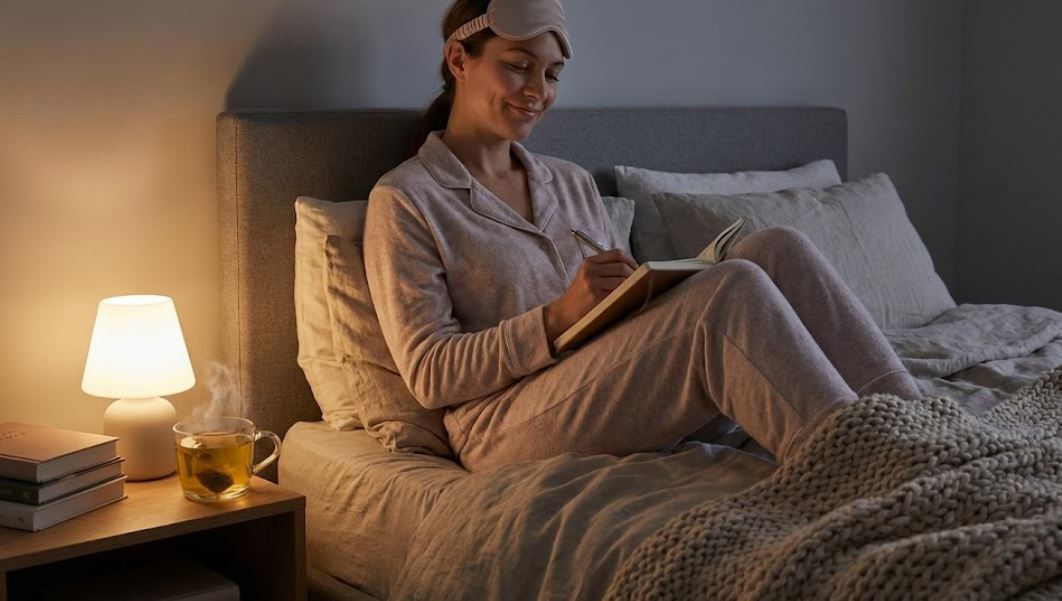
I start winding down at least an hour before bed. I dim the lights, avoid screens, and choose a calming activity like reading or journaling. This transition from “active mode” to “rest mode” helps signal to my body that it’s time to relax.
2. Practice Deep Breathing
Breathing exercises have become my go-to technique for calming my mind before sleep. I practice deep belly breathing, taking slow, controlled breaths. This simple act helps lower my heart rate and prepares me for rest. Sometimes, I even add a few minutes of **guided meditation** or **body scan techniques**.
3. Keep a Consistent Sleep Schedule
I don’t always go to bed at exactly the same time every night, but I do my best to maintain a regular sleep schedule. This helps regulate my circadian rhythm, which makes it easier to fall asleep when the time comes.
4. Create a Peaceful Sleep Environment
I’ve learned that my bedroom needs to be a sanctuary-a calm, quiet place where I can fully relax. I keep the room dark and cool, and I use a white noise machine or earplugs to block out distractions. It’s amazing how much of a difference the right environment can make.
5. Let Go of Perfectionism
For a long time, I thought I needed to be perfect about my sleep. I’d obsess over getting exactly 8 hours, and if I didn’t, I’d feel anxious the next day. Now, I give myself permission to **not be perfect**. Some nights I sleep 6 hours, other nights I get 8. What matters most is how I feel, and I’ve learned to trust that my body will get the rest it needs.

How It’s Made a Difference
Since making these changes, I’ve experienced a huge shift. My sleep has become more **restorative**, and I wake up feeling more refreshed. Instead of lying awake, stressing about how tired I might feel the next day, I now fall asleep easily and wake up ready to face the day.
**Stress-free sleep** isn’t a magic trick-it’s a practice. And it’s one that requires patience and consistency. What I’ve learned is that sleep doesn’t have to be something I fight for. It’s something I allow to happen when I create the right conditions.
Want to Learn More About Stress-Free Sleep?
If you’re looking for more tips on how to improve your sleep and reduce bedtime stress, check out these trusted resources:
Sleep Foundation – Sleep Hygiene Tips
Psychology Today – How to Get Great Sleep
Remember, stress-free sleep isn’t something you chase-it’s something you allow. The more you let go, the easier it becomes to rest your mind and body. 💤