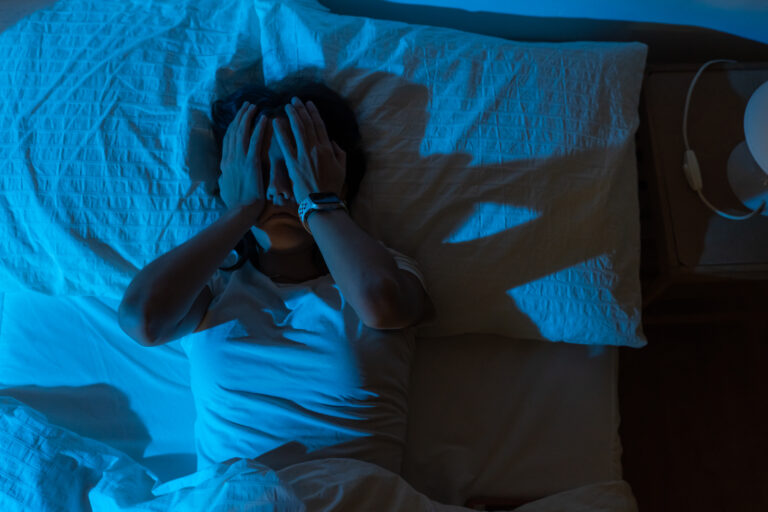
The festive period brings joy through celebrations, extended evening get-togethers, and delightful indulgences. Yet, these shifts in daily habits often play havoc with your restful nights. Below, we address frequent queries from adults regarding sleep disruptions during the holidays, along with actionable advice to ensure you remain refreshed and energized.
Sleep Schedule Disruption
“Why am I staying up so late?”
With the holidays freeing you from your standard workday routine, your internal biological clock tends to push bedtime later. Factors like social gatherings, prolonged exposure to screens, and the added pressures of the season further postpone when you hit the hay, normalizing those extended evenings.
Tip: Establish a practical ‘latest bedtime’ limit instead of rigidly adhering to your everyday timetable. Maintaining a steady 1–2 hour range proves effective in keeping your sleep patterns from veering too far off course.
“How bad is it if I sleep in until the afternoon?”
Occasional lie-ins pose no major issue, but drastic alterations to your sleep timing can throw off your circadian rhythm significantly. This misalignment complicates the transition back to regular hours when professional commitments resume, often resulting in persistent tiredness and that foggy, lethargic sensation.
Tip: Should you need a nap, schedule it before 3pm and restrict it to 20-40 minutes to avoid deeper sleep cycles that prolong grogginess.
“How do I get back to a normal schedule after the holidays?”
The most successful approach involves incremental changes. In the final week of your holiday period, adjust your bedtime and wake-up time by 15–30 minutes daily; this method outperforms abrupt overhauls, allowing your body to adapt smoothly.
Additional strategies:
- Expose yourself to natural morning sunlight to realign your circadian rhythm effectively.
- Avoid screens and intense lighting for at least one hour prior to bedtime to promote melatonin production.
- Maintain soothing and predictable evening rituals to cue your body that it’s time to relax and prepare for sleep.
Food, Sugar & Caffeine
“Does eating late-night holiday snacks affect my sleep?”
Absolutely, indulging in rich or sweet snacks right before bed can interfere with quality rest. The digestive process demands substantial energy, which might leave you tossing and turning or struggling to drift off initially.
Tip: Savor your festive goodies earlier in the evening to sidestep sleep interference, or incorporate sleep-promoting holiday options like cherries, nuts, and cheese that support better nighttime recovery.
“Why does hot chocolate or chocolate at night keep me awake?”
Chocolate harbors caffeine and theobromine, both of which act as stimulants capable of hindering sleep onset and depth when ingested near bedtime. Even modest servings can impact those particularly sensitive to these compounds.
Tip: Switch to non-caffeinated evening drinks, including herbal teas or comforting warm milk substitutes, to unwind without stimulation.
“Is sugar before bed really a problem?”
For certain individuals, it certainly is. Consuming sugar triggers a short-lived surge in energy levels, complicating the process of falling asleep. Moreover, it may provoke blood sugar fluctuations overnight, leading to unexpected awakenings and poorer sleep continuity.
Tip: If you experience sleep interruptions linked to sweets, shift their consumption to earlier parts of the day or curtail portions close to bedtime to stabilize your rest.
Alcohol
“Does drinking alcohol before bed help me sleep?”
Although alcohol induces initial drowsiness, it ultimately diminishes overall sleep quality. It inhibits the vital REM sleep phase responsible for restoration and frequently results in multiple disruptions throughout the latter half of the night.
Tip: When enjoying drinks, ensure your final alcoholic beverage is consumed 2–3 hours before lights out. This window allows sufficient time for your system to process the alcohol, minimizing its adverse effects on slumber.
“Why do I wake up in the middle of the night after a few drinks?”
Alcohol fragments your sleep architecture. By relaxing throat muscles and airways, it heightens snoring risks or exacerbates conditions like sleep apnea. Additionally, its diuretic properties prompt frequent nocturnal bathroom visits, further interrupting rest.
Tip: Counteract dehydration by alternating alcoholic drinks with water, moderate your intake overall, and consider lighter evenings if prioritizing seamless, uninterrupted sleep is key.
Bottom Line
The holiday season offers prime opportunities for relaxation and enjoyment, yet prioritizing a balanced sleep routine, staying conscious of evening consumptions like snacks, caffeine, and alcohol, and easing back into normalcy through steady adjustments will let you savor the festivities fully-without the lingering toll of exhaustion derailing your post-holiday vibe.