
I have frequently discussed the strategies that women employ to preserve their health and well-being during our early to mid-50s. Maintaining optimal wellness at this stage often requires the support of an extensive network of professionals-ranging from primary care physicians and dermatologists to gastroenterologists, nutritionists, and specialized facial care experts. It seems that nearly every week, a new health concern arises that demands attention. Considering that many of these specialists charge premium fees and some do not accept insurance-a topic warranting its own in-depth exploration-I am particularly selective about the experts I rely on. They must deliver exceptional results and provide swift resolutions to my issues.
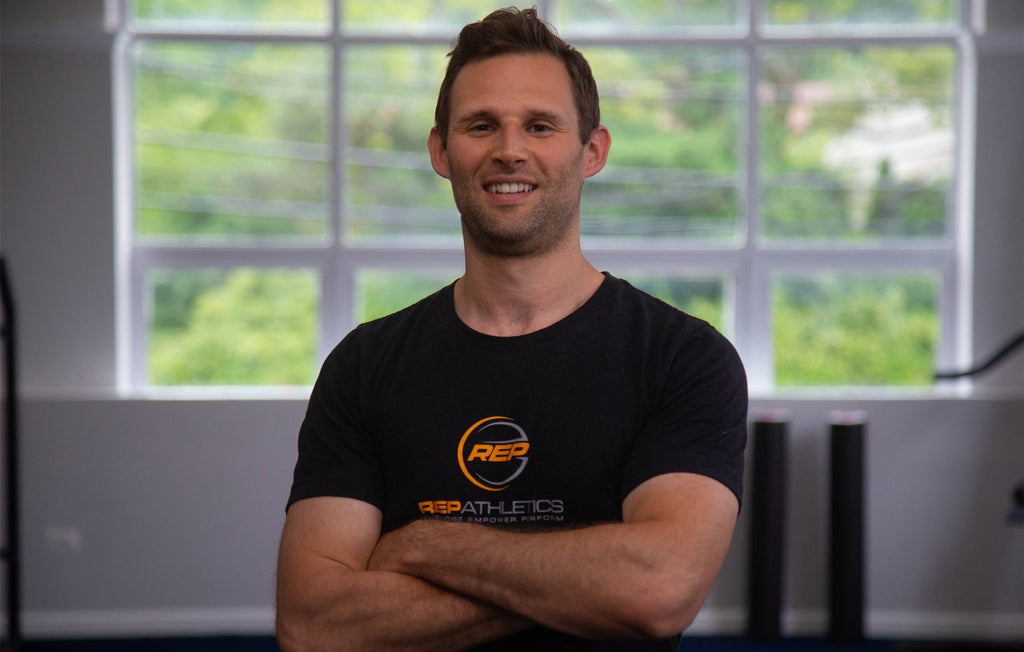
Among my most trusted resources is Geoff Rose, a highly skilled Posturologist with extensive expertise in Osteopathy and Strength and Conditioning, based in Larchmont, New York. Our paths crossed approximately a decade ago when I observed him assisting a fellow gym member who was struggling with hip discomfort stemming from excessive running. Since that encounter, Geoff has established his own dedicated gym and osteopathy practice. I genuinely believe that everyone would benefit immensely from having a professional like Geoff in their corner. His profound understanding encompasses the intricate interplay of muscles, joints, fascia, and bones within the human body.
Whenever I experience any discomfort or injury, Geoff is my first point of contact, well before consulting a traditional doctor. For instance, when a physician recommended knee surgery as my only option, I turned to Geoff instead. He reassured me, identified the root cause in my misaligned fascia affecting my hip, leg, and ankle, and after a targeted session, I left his office completely relieved and mobile. More recently, following a sprained ankle, I followed the doctor’s advice and began physical therapy, but I made sure to schedule time with Geoff just three days post-injury. Leveraging his deep knowledge of injury recovery and healing processes, he effectively reduced the swelling and restored mobility to my ankle and toes far more quickly than expected.
“Before consulting a doctor, I always reach out to Geoff first.” – Co-founder Michelle Jacobs
My passion for weight training was ignited through my sessions with Geoff. He meticulously guided me through the fundamentals of lifting progressively heavier weights in a safe, injury-preventive manner. Under his encouragement, I have achieved physical feats I once deemed impossible for my body.
Although our platform typically spotlights remarkable women who inspire us, I felt compelled to highlight Geoff due to his unparalleled expertise in human physiology, particularly how women’s bodies evolve over time. His insights are invaluable for preserving muscle integrity, managing weight effectively, and supporting mental health. Below, you’ll find some of his most practical recommendations tailored for women navigating midlife.
7 Questions with Posturologist Geoff Rose
1. What are the most common questions you receive from women over 40?
One of the top inquiries I field is, “How can I target fat loss in specific areas?” This concern often arises because of shifting hormones. For example, excess fat accumulation around the stomach is frequently linked to elevated cortisol levels, whereas fat buildup on the back can be attributed to spikes in blood sugar. While it’s a well-established fact that spot reduction through targeted exercises is not feasible, this doesn’t preclude us from strategically building muscle in those very regions to improve their tone and composition.
2. Why do so many women find weight loss more challenging after age 40?
The answer lies in the natural biological shifts orchestrated by Mother Nature. Post-40, a woman’s hormonal system undergoes significant changes as the body transitions away from the high-efficiency reproductive phase. These alterations impact hormone balance and slow metabolic rates, making weight management more demanding than in previous decades.
3. For beginners embarking on a new workout regimen, what foundational steps do you recommend?
Here are some essential starting points to build a solid routine:
- Prioritize walking outdoors frequently. This simple activity boosts mental health, facilitates vitamin D absorption, helps regulate blood sugar by burning glucose, and activates mitochondria to enhance overall metabolic function.
- Incorporate machine-based exercises. Although we advocate for functional movements, machines offer a low-coordination entry point to isolate and strengthen specific muscles. They enable you to exert greater effort with minimized injury risk while promoting gains in bone mineral density.
- Practice ELDOA exercises. These targeted movements leverage the fascial network to decompress joints effectively. ELDOA is exceptionally beneficial for alleviating bulging discs, correcting postural imbalances, and markedly improving spinal bone density. Furthermore, since every organ connects to the spine via fascia, these exercises can optimize the health of surrounding tissues and support visceral organ function by focusing on specific spinal segments.
- Aim to sweat at least four times weekly. Whether through weightlifting sessions, cardiovascular activities, or sauna use, inducing a sweat creates a high-heat environment that not only torches calories but also triggers beneficial hormonal responses and aids in detoxification.
4. How vital is cardio to a fitness plan? What role does weight lifting play, and how heavy should lifts be?
Cardiovascular exercise holds substantial importance for long-term health. Aerobic activities train the heart for endurance and longevity, promote fresh blood circulation to deliver oxygen and nutrients to tissues, and activate fat metabolism pathways. This not only aids in weight control but also helps eliminate toxins stored within fat cells.
Weight lifting is equally indispensable for aging gracefully. It enhances cognitive performance, stabilizes blood sugar levels, fortifies bone density, lowers fall risks, builds muscular protection against injuries, and delivers profound mental health advantages.
Regarding intensity-“how heavy is heavy?”-the ideal approach in personalized training involves scaling resistance to percentages of body weight. For newcomers, select a weight that feels demanding across your chosen rep range, pushing toward muscle fatigue on the final repetitions. To avoid plateaus, cycle your protocols every 20 sessions: alternate between moderate loads like 3 sets of 10 reps, then progress to heavier 4 sets of 6 reps, followed by lighter 3 sets of 15 reps. This variation stimulates continuous adaptation and progress.
5. Is a daily intake of 100 grams of protein truly necessary for women, and does it yield noticeable benefits?
Ideally, protein requirements should be customized according to individual body weight and fitness objectives. That said, aiming for 100 grams serves as an excellent baseline. Compelling research demonstrates that consuming at least 30 grams at breakfast optimally stabilizes blood sugar from the outset. This practice promotes satiety, curbing impulsive eating later and fostering smarter food choices. Structuring meals around 30-40 grams of protein per serving naturally pairs with nutrient-dense sides, reduces reliance on high-calorie snacks, and supports muscle synthesis-key for sustained blood sugar control and resilience against falls in later years.
6. Does creatine supplementation deliver real results?
Creatine stands as the most thoroughly studied supplement available today. We strongly endorse it for elevating energy stores, facilitating muscle growth, and sharpening cognitive abilities across various demographics.
7. What final words of wisdom do you have for staying robust and vital as we age?
Emphasize consistency paired with self-compassion. Adhering steadfastly to your exercise and nutrition plan yields transformative outcomes, though not overnight or within mere weeks. True, sustained commitment over several months will manifest visibly and sensorially in your improved physique and vitality. Moreover, practice kindness toward yourself-a skipped protein goal or an off week in training should not sabotage your momentum. Life’s unpredictabilities are inevitable, so prioritize how strong, capable, and balanced you feel over the scale’s fluctuations.