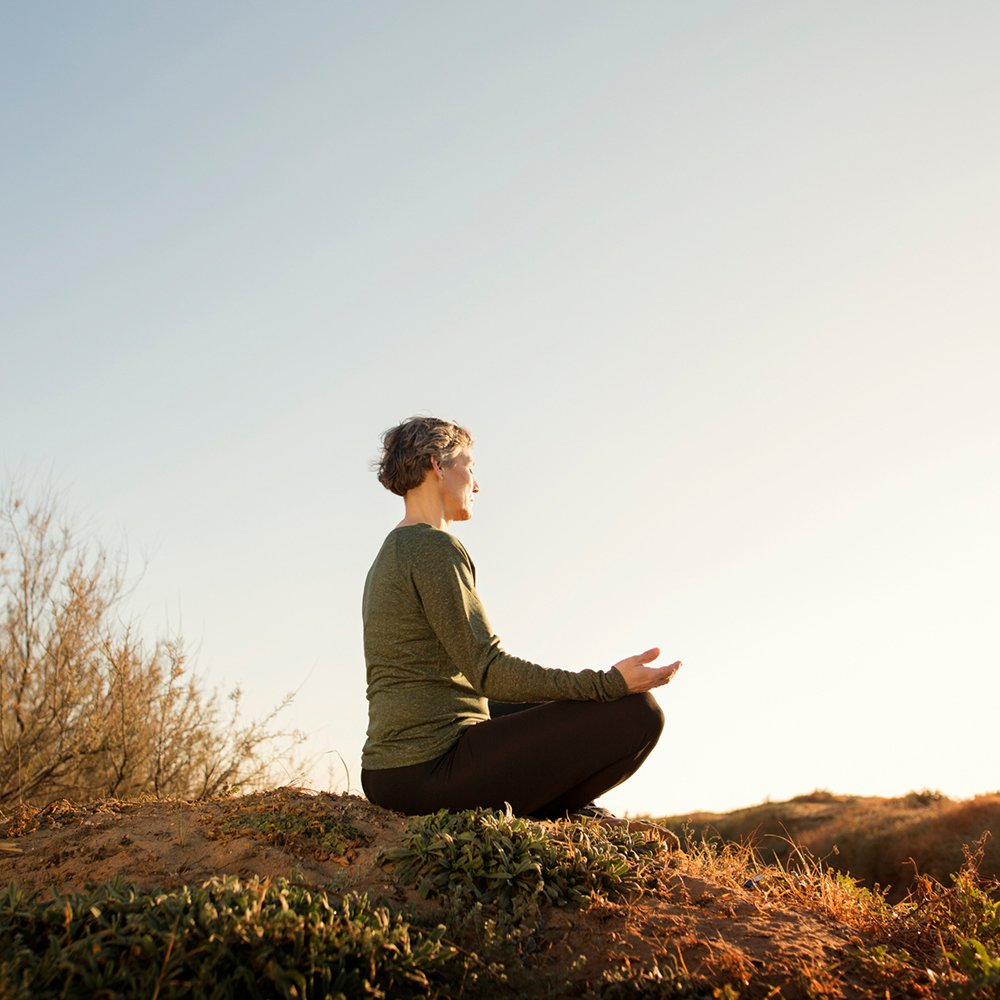
If anxiety or tension is weighing you down, explore these five effective meditation practices designed to alleviate stress, quiet your mind, and restore a sense of tranquility.
Understanding the Subtle Onset of Stress
Stress often creeps in unexpectedly, manifesting as a tightened jaw during rush-hour traffic, a constricted feeling in your chest ahead of a high-pressure meeting, or an unrelenting stream of thoughts that disrupts your sleep. In moments when life feels overwhelmingly intense, engaging in a calming meditation practice offers a powerful way to decelerate, regain balance, and refresh your mental state.
There’s no requirement for a serene environment, an ideal seated posture, or prior expertise in meditation. These concise and practical techniques are specifically crafted for those fleeting intervals in your day-whether you’re seated in your vehicle, taking a brief lunch break, or seeking a momentary refuge in a private space for just a few minutes of respite.
In this guide, we’ll explore straightforward and welcoming methods to incorporate calming meditation into your routine, helping you release built-up tension, regulate your nervous system, and foster a deeper connection with your inner self. Let’s get started on this journey toward peace.
Defining Calming Meditation
Calming meditation serves as a straightforward mental pause, allowing you to tune into your current state amid feelings of overload or physical strain. Unlike more advanced practices, it doesn’t demand complete mental silence or the pursuit of elevated consciousness. Instead, it involves taking a brief interlude to observe your internal experiences and create room for intentional breathing.
Common approaches include concentrating on your inhalation and exhalation, listening to a soothing narration that leads you through a systematic review of your body, or envisioning a serene landscape. Other variations might entail silently reciting affirming words or directing awareness to your sensory inputs to anchor yourself firmly in the now.
Ultimately, the purpose of calming meditation is to cultivate a short-lived pocket of quietude amid daily turbulence. This practice gently soothes your nervous system and eases mental rigidity, providing relief even in modest measures.
The Proven Benefits of Calming Meditation for Stress Reduction
Absolutely, research confirms that calming meditation effectively diminishes cortisol levels-the primary hormone associated with stress-alleviates anxiety indicators, and enables clearer responses to challenging situations. It stands out as a versatile tool that nurtures both psychological clarity and physiological calm, with benefits amplifying through consistent application, even in sessions as brief as five minutes daily.
During periods of stress, your physiology shifts into a primal survival state: your pulse accelerates, breaths become superficial, and cognition speeds up, often veering toward pessimism. Calming meditation counters this by stimulating the parasympathetic nervous system, which governs relaxation, digestive processes, and restorative functions.
With regular engagement, this practice enhances your inherent stress tolerance, simplifying navigation through routine pressures. Immediately, however, a series of deliberate breaths or a succinct guided exercise can insert a crucial buffer between stressors and your reactions, promoting smoother progression through difficulties.
Mastering Calming Meditation: Five Practical Techniques for Stress Relief
Benefiting from calming meditation requires no secluded sanctuary or extended time commitment. These adaptable, novice-oriented methods integrate seamlessly into everyday scenarios. Each one systematically dissolves tightness and guides you back to bodily awareness, breath by breath.
1. Box Breathing (The 4-4-4-4 Technique)
Among the quickest methods to stabilize your nervous system, box breathing proves invaluable during episodes of overwhelm or hyperarousal. Follow these steps to implement it effectively:
- Inhale deeply via your nostrils over a count of four.
- Retain the breath steadily for another four counts.
- Exhale gradually through your mouth for four counts.
- Pause with an empty breath for four counts.
Cycle through this pattern four to six times. Perform it with eyes open or shut, while seated comfortably, or in any discreet location like a restroom cubicle. Its subtlety makes it ideal for quelling frantic thinking or easing somatic tension swiftly.
2. Body Scan Meditation
Physical stress signals frequently precede conscious awareness. A body scan meditation facilitates a thorough self-assessment, tenderly addressing zones of rigidity or unease.
Begin at your toes, progressing gradually upward through your feet, calves, thighs, pelvis, spine, shoulders, and jaw. For every region, gently inquire: Is there a way to relax this slightly?
No alterations are mandatory-mere acknowledgment paired with compassionate attention often yields substantial softening and relief.
3. Grounding via the 5-4-3-2-1 Technique
To interrupt spiraling cognition, sensory grounding firmly roots you in the immediate environment. Engage in this straightforward mindfulness routine by identifying:
- Five visible elements around you.
- Four audible sounds.
- Three tactile sensations.
- Two detectable scents.
- One flavor you can perceive.
This approach excels particularly amid acute anxiety surges or obsessive mental replays of tense interactions.
4. Loving-Kindness Meditation
Centered on tempering self-criticism and extending benevolence to yourself and others, loving-kindness meditation emphasizes deliberate nurturing over contrived optimism.
Mentally recite affirmations such as:
- May I experience calmness.
- May I feel secure.
- May I dwell in peace.
Following several personal repetitions, broaden these wishes to include others. Initial discomfort is normal, yet evidence indicates this fosters emotional fortitude and diminishes impulsive responses progressively.
5. Visualization Meditation
For those finding breath focus challenging, visualization provides an engaging pathway to serenity.
Gently close your eyes or soften your gaze, conjuring a tranquil vista-a tranquil woodland, a warm interior space, or a sunlit meadow. Immerse fully by contemplating:
- The aroma of the surrounding atmosphere.
- Subtle ambient noises.
- The texture beneath your feet.
Permit your creative faculties to unfold naturally. Neurologically, fabricated scenarios often elicit responses akin to authentic encounters, engendering tangible tranquility and security.
Frequently Asked Questions About Calming Meditation
How Can I Meditate to Alleviate Anxiety?
Commence by embracing simplicity. Anxiety-focused meditation prioritizes gentle concentration over perfection. Position one hand on your chest and another on your abdomen, then draw slow, measured nasal inhales and oral exhales.
The objective is moderating anxiety’s velocity for greater handleability, not total eradication.
Short Calming Meditations for Stressful Moments?
Opt for low-prep options like box breathing, sensory grounding, or abbreviated body scans during constrained schedules. A mere two minutes of respiration at your workstation or a five-minute guided pause can decelerate your heartbeat and respite your psyche.
Prioritize practices that feel approachable amid chaos, avoiding additional burdens.
Can Anxiety Be Calmed Instantly?
Certain techniques expedite relief, though true immediacy varies as physiological shifts require moments. Breathwork such as 4-4-4-4 or sensory grounding swiftly moderates bodily alarm. These interrupt stress reactivity, enhancing control despite lingering sensations.
Do Meditation Exercises Eliminate Stress?
While not dissolving issues outright, meditation reshapes responses, akin to conditioning for resilience. It fortifies recovery from upheavals and, with regularity, mitigates persistent strain, alongside prompt alleviation in crises.
Optimal Timing for Calming Meditation?
Align with your rhythm-morning initiations, inter-meeting interludes, or pre-sleep rituals. In tense phases, singular minutes of deliberate respiration during transitions prove transformative.
Must I Remain Stationary to Meditate?
Far from it. Dynamic forms like mindful ambulation, elongation, or routine chores suit the restless. Attune to actions and sensations; stillness aids but isn’t essential-adapt to your vitality and surroundings.
Are Guided Sessions Ideal for Novices?
Indeed, guided formats deliver scaffolding and reassurance, vital for entrants or the inundated. A reassuring narration steadies focus, alleviating performance anxieties across diverse durations and themes.
What If Meditation Heightens Anxiety?
This occurs frequently, particularly with trauma histories or unfamiliarity with distress. Mitigate by maintaining open eyes, breath primacy over corporeality, kinetic alternatives like strolling or yoga, briefer durations, or auditory aids.
Intense persistence warrants pause and professional guidance for tailored, secure methodologies.